At a time when the narrow streets of Cologne held tight to the stench of sewage and the weight of industrial soot, one man was busy breathing out a dream. Johann Maria Farina, with the patience of a jeweler and the fire of an alchemist, wasn’t just blending oils—he was inventing a new world. In his lab, cedar, citrus, and bergamot swirled together until they gave birth to something unexpected: Eau de Cologne.
At first, it was a small indulgence. Locals ran to Farina’s shop not for status, but to take home a tiny bottle filled with someone else’s dream, escaping their greyness for a moment of brightness. The scent was summer bottled, a clean breeze through a grimy city.
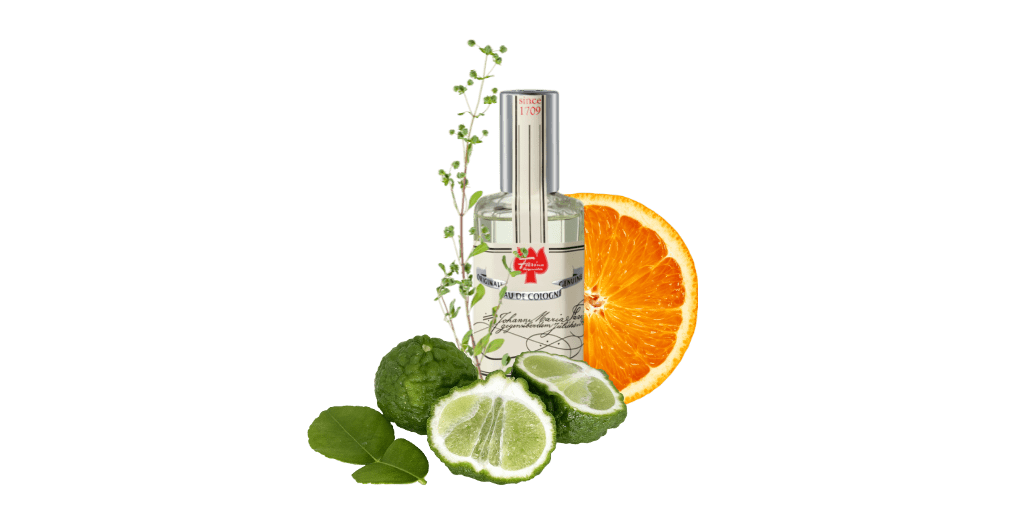
Then came the Seven Years’ War, and the perfume transformed. French troops, after occupying Cologne, carried the fragrance back with them. It followed soldiers into battle, across borders, into homes, and across oceans. The scent became a quiet message of hope, a soft reminder of a time before gunpowder.
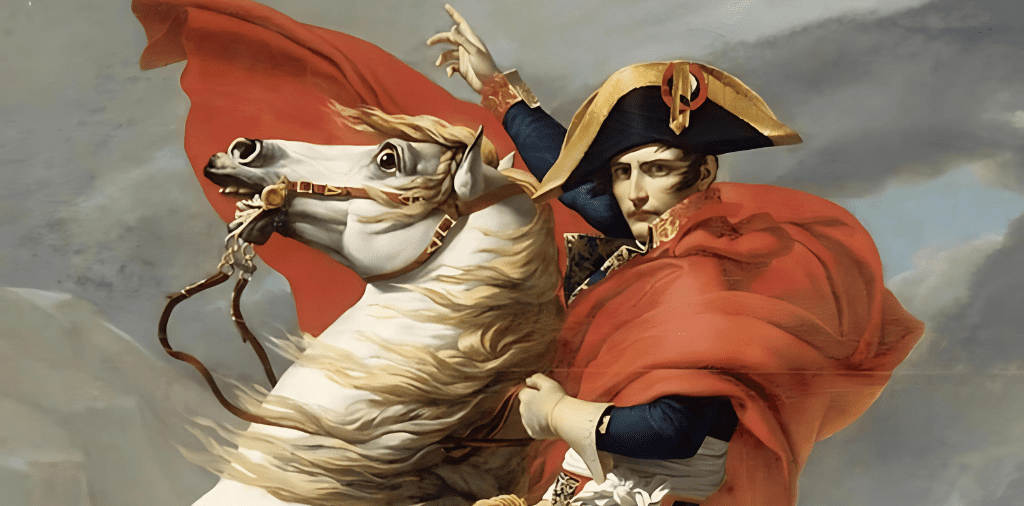
And then came Napoleon. The man who craved genius like others crave sleep soaked himself in the scent. Not just for pleasure, but as ritual. He carried bottles in his boots, in his coat, at his side. His soldiers said you could smell their emperor before you saw him: citrus and herbs swirling in the air, commanding like a banner.
He drank it, too — a few drops on sugar, or diluted in wine. For Napoleon, it wasn’t a fragrance. It was brain fuel, bottled ambition.
But genius is fragile. In exile, stripped of access to his beloved cologne, Napoleon tried to recreate it himself. What came instead was lighter, thinner, more fleeting. He called it “Eau de Toilette.”
And in that name, you can smell the fall. It lacked the weight of history, the strength of the original dream. It was a whisper where once there was a speech.
Still, the world had already been changed. By the mid-19th century, Eau de Cologne had become more than a scent. It was a symbol — of elegance, cleanliness, vision. A quiet genius in a glass bottle.
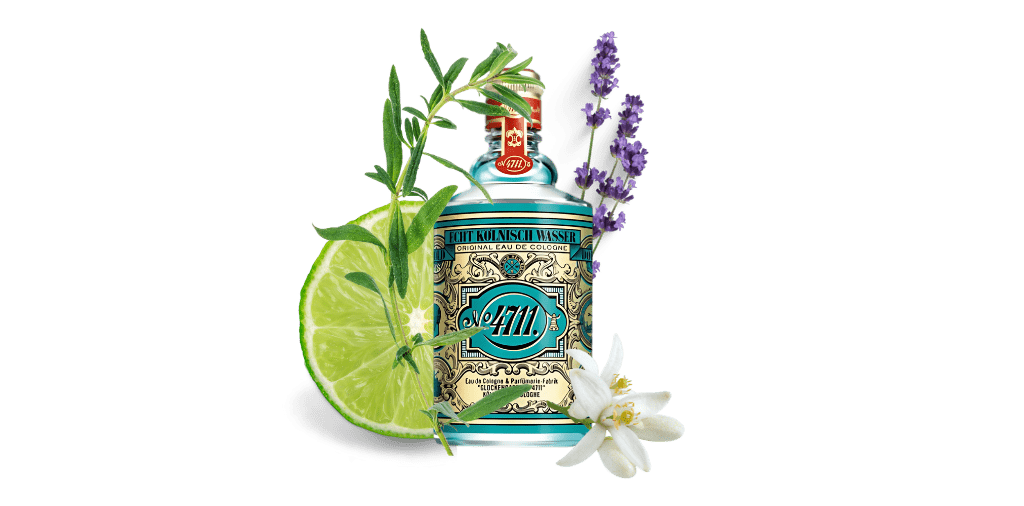
Now, it lives everywhere: in glove compartments, in drawers, on skin. Not to mask, but to remember. Not to overpower, but to lift.
A drop of eternity, carried in the air. A scent that whispers: beauty will save us yet.