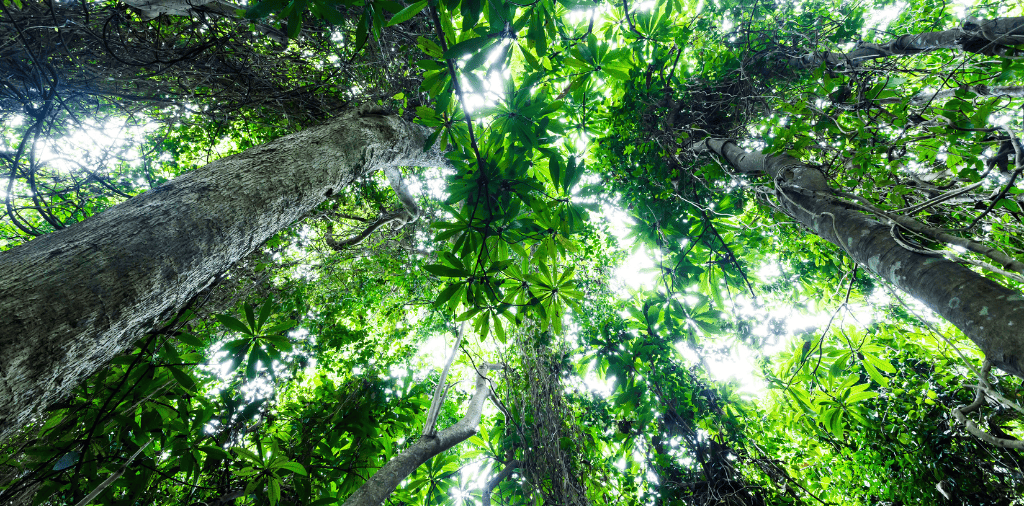
They spread out like valleys, like gardens by the riverside, like aloes planted by the Lord, like cedars beside the waters.
— Numbers 24:6
Its story began over 3,500 years ago.
It weaves through every culture, speaks in every religion, and carries countless names wrapped in myth: the paradise tree, the aloeswood, kalambak, agar tree, aquilaria — oud.
What gives birth to beauty?
Is it joy? No.
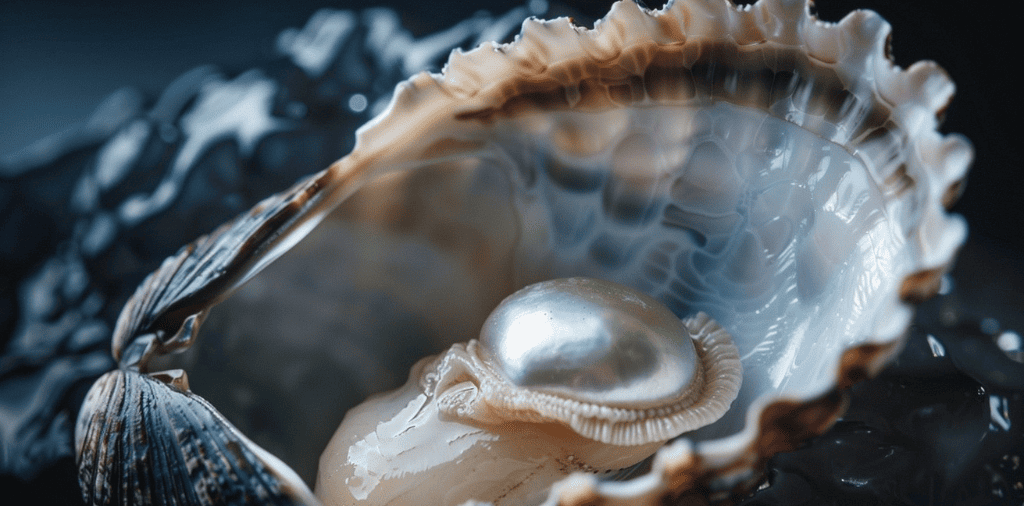
Like the oyster birthing a pearl from a wound, the agar tree gives birth to oud — a resin more precious than gold — only through injury, illness, or decay.
Nature’s answer to pain is never predictable.
Some wither.
Some harden.
And some transform, turning grief into legacy.
When the agar tree is wounded, its heartwood begins to weep — thick, fragrant resin slowly soaking the grain. The process may take decades. It cannot heal, but it survives.
Only when the tree dies and falls to the forest floor do we discover its dark, aromatic soul — saturated with oud. Earthy, ancient, incense-like. Like rain-soaked temples and memories of centuries past.
Oud is the scent of pain turned into beauty.
Its smoky, woody, spicy depth — tinged with sweetness — has moved hearts for millennia.
In Ancient Egypt, they burned it in temples to bridge the worlds of gods and men.
In China, scholars wrote treatises on how to contemplate its scent.
In Arabia, it was a gift from paradise itself — dropped into water to purify it, or burned to bless a home and guard it from evil.
Each land shapes oud in its own image.
Laotian oud is bitter and bold, like hard-earned wisdom.
Cambodian oud — soft and embracing, like twilight silence.
Indian oud — thick and resinous, with sharp, medicinal edges.
Its cost is high — and rightly so.
Every tree is a singular act of survival.
Today, we try to cultivate agarwood, to infect it with fungi on plantations.
But the oud born in controlled hands can never echo the wild soul of a forest-bred tree — touched by storms, by silence, by time.
Like pearls, oud is not about perfection.
It’s about transformation.
It’s about the ones who don’t break — but create something immortal instead.
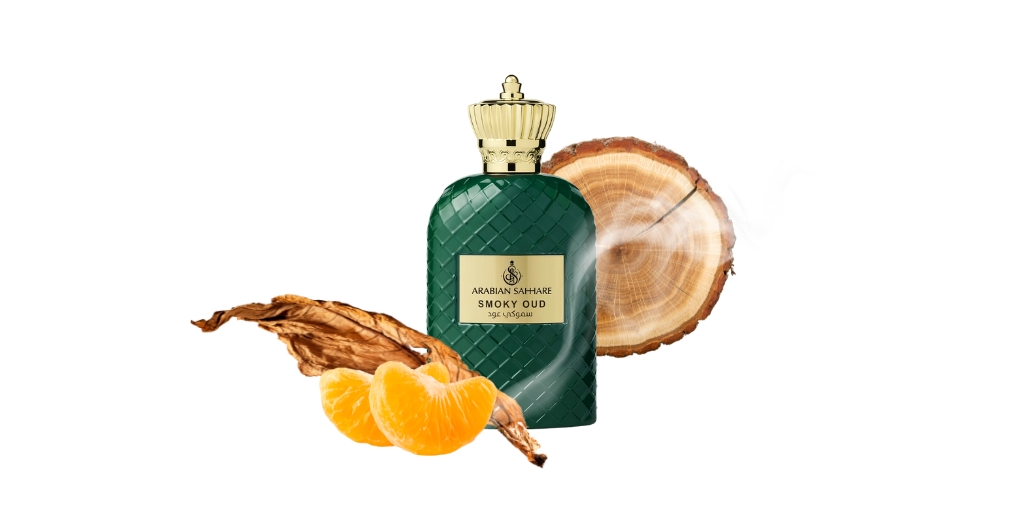
Smoky Oud by Arabian Sahhare
It smells like an ancient temple swallowed by jungle — where incense once hung in the air, now overtaken by vines, danger, and monsoon rain.
Majestic. Forgotten. Wild again.